Skip to content
Symposium 2026

Main Stage Presentations

Thursday, October 8, 2026

Main Stage Presentation: 4:15 PM – 5:15 PM ET

Designed for Every Student: AI and the Promise of Learner-Centered Futures

The vision of education that authentically sees and responds to each learner — that advances students based on mastery rather than seat time, that develops the whole person, that flexes to meet children where they are — is not new. Educators have been working toward it for decades. What is new is the set of tools now available to make it real at scale.

This main stage conversation brings together leaders who are building that future in practice — in districts, charter networks, state systems, and community-rooted schools across the country. For many of them, AI has become a meaningful part of that work: helping surface what students know, personalizing pathways forward, and creating space for educators to do what no technology can replace. What they are finding is that the technology matters far less than the question it’s in service of. When the learner is genuinely at the center, everything else — including the tools — follows from that.

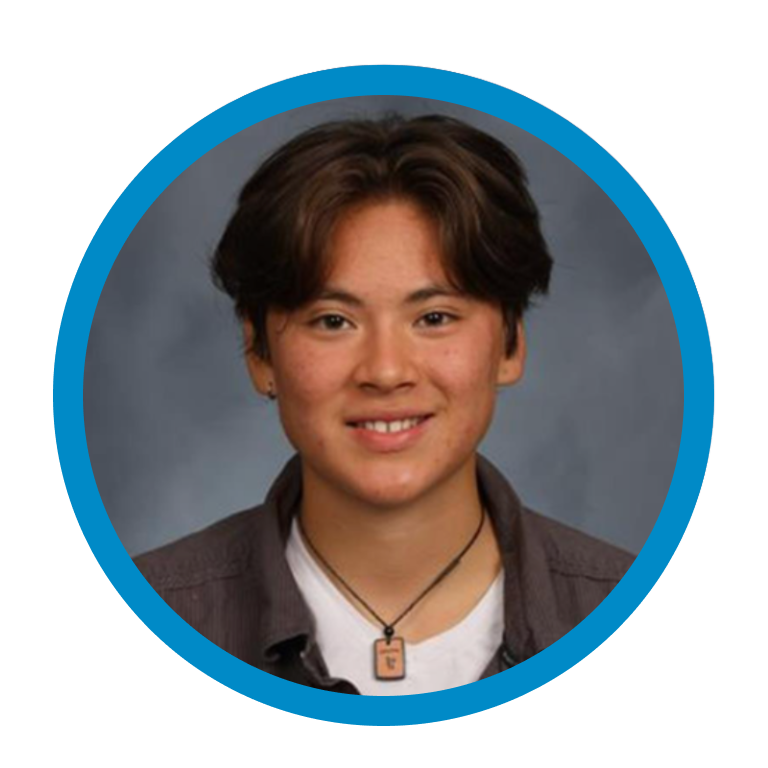
Beth Rabbitt, Co-CEO, FullScale

Dr. Beth Rabbitt is the Co-Chief Executive Officer of FullScale, the national nonprofit formed by the merger of the Aurora Institute and The Learning Accelerator (TLA), where she served as CEO for nearly a decade. A seasoned social entrepreneur and nationally respected voice in education innovation, Beth brings over 20 years of experience across the K–12 nonprofit, philanthropic, and public sectors—driving systems-level transformation to make learning more equitable, personalized, and future-ready.

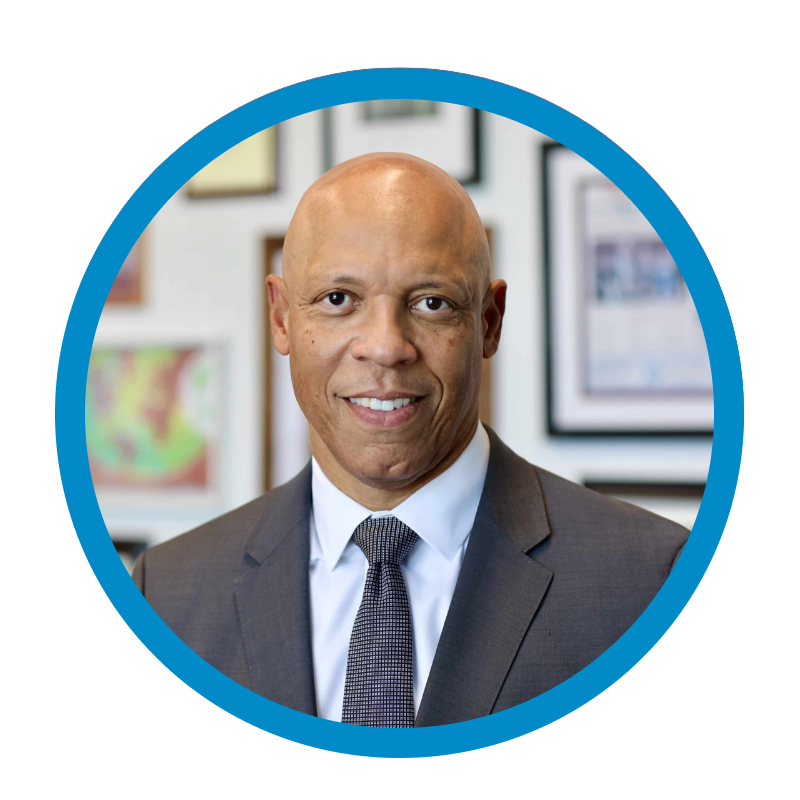
Babak Mostaghimi, Founding Partner, LearnerStudio

Dr. Babak Mostaghimi, a Founding Partner at LearnerStudio, is an educator and systems leader dedicated to ensuring that every young person is inspired and prepared for their future in the age of AI. At LearnerStudio, Babak focuses on systems transformation, artificial intelligence, and the future of learning. He previously served as an Assistant Superintendent in Gwinnett County Public Schools where he developed and led critical initiatives including the an embedded PK-12 AI and future readiness learning model, multiple innovative school designs, and a birth to age 5 county-wide early learning ecosystem. Babak began his education career as a 5th-grade teacher in Shelby, Mississippi, where he was the 2008 District Teacher of the Year. He holds a Doctorate in Education Leadership (Ed.L.D.) and a Master’s in Public Policy from Harvard, and a Bachelor’s Degree from Johns Hopkins.

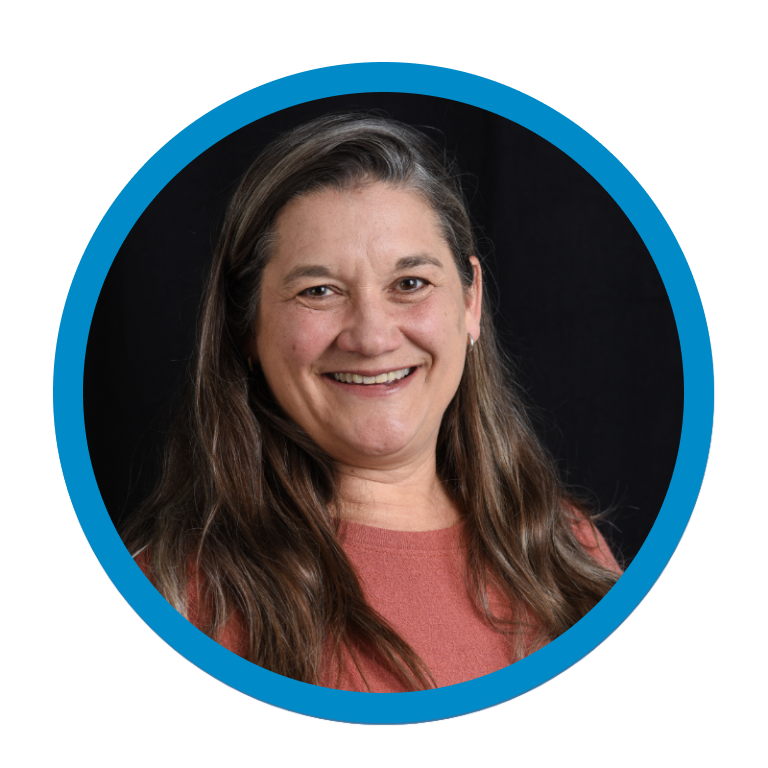
Sandra Moumoutjis, Executive Director, Learning Innovation Network at Building 21

Sandra Moumoutjis is an educator with more than thirty years of experience and deep expertise in personalized and competency-based learning. She has led transformative change at the classroom, school, and system levels. As Executive Director of the Learning Innovation Network at Building 21, Sandra leads a national network of districts and schools in designing and implementing student-centered, competency-based models that provide a broader definition of student success and personalize pathways for learners. Previously, as Building 21’s Chief Instructional Designer, she co-designed the organization’s competency framework and built its Studio instructional model, establishing the core structures that support rigorous and relevant learning across the network. Sandra is also a co-designer of Beacon Learning, Building 21’s technology platform, which helps schools nationwide move toward more personalized, competency-based practice. Her career spans roles as a classroom teacher, reading specialist, literacy coach, instructional leader, curriculum writer, and educational consultant, consistently delivering high-quality professional learning and driving meaningful outcomes for students and educators.

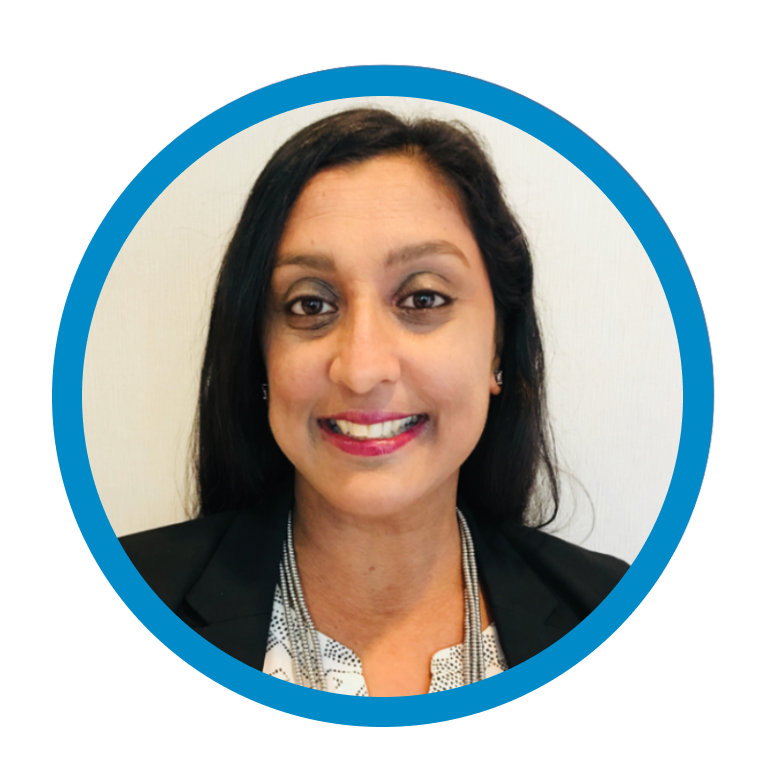
Julia Freeland Fisher, Director of Education, Christensen Institute

Julia Freeland Fisher is the director of education research at the Clayton Christensen Institute, a nonprofit nonpartisan think tank that studies innovation across the public and social sector, where she studies innovative approaches to developing and measuring students’ social capital. She is author of the book Who You Know: Unlocking Innovations that Expand Students’ Networks. Her most recent research considers the impact that AI will have on our social connections, which she writes about on her Substack, Connection Error. Julia holds a BA from Princeton University and a JD from Yale Law School.

Friday, October 9, 2026

Main Stage Presentation: 9:00 AM – 10:00 AM ET

What Schools Are For: Communities, Quality, and the Future of Public Education

The vision of an education system that authentically sees and responds to each learner is not new. Educators, communities, and innovators have spent decades working toward learning that is personalized, competency-based, and designed to develop the whole child. What is changing is not the aspiration, but our ability to realize it. Across the country, leaders are rethinking what it means for learning to be truly learner-centered: advancing students based on demonstrated mastery rather than seat time, creating more flexible pathways, and ensuring young people develop the knowledge, skills, and dispositions needed to thrive in a rapidly changing world.

This main stage conversation brings together leaders who are building that future in practice—in districts, charter networks, state systems, and community-rooted schools. As new school models emerge and families gain access to a growing range of educational options, fundamental questions are surfacing about the future of public education itself. What should it mean for learning to be public in an era of greater choice, flexibility, and customization? How can we expand access to diverse pathways and innovative models while ensuring all young people have access to high-quality opportunities? What responsibilities do public systems have to both individual learners and the broader common good? Together, panelists will explore how public education can evolve to offer more personalized and meaningful learning experiences while remaining grounded in its essential promise: creating opportunity, belonging, and success for every learner.

Katie Martin, Co-CEO, Learner-Centered Collaborative

Dr. Katie Martin is the Co-CEO of Learner-Centered Collaborative, the author of Learner-Centered Innovation and Evolving Education, and an internationally recognized educator and coach for her approach to educator and student learning. She has worked directly with thousands of teachers and administrators in diverse contexts to learn, research, and support deeper learning. As an education leader and mom she wants all kids to have learning experiences that build on their strengths and interests and empower them to develop the knowledge, skills, and mindsets to thrive in a changing world. As the co-founder of Learner-Centered Collaborative she shapes the professional learning experiences schools and districts need to make this happen.

Bibb Hubbard, Founder, Learning Heroes

Bibb founded Learning Heroes to help parents play an active role in their children’s educational success.  Before Learning Heroes, Bibb held leadership positions at the Bill & Melinda Gates Foundation, Widmeyer Communications, and Scholastic. Her public-sector experience includes positions at the White House and the U.S. Labor Department.  Bibb served on the Board of City Year New York and is an active board member with The Leadership Academy.

George Philhower, Superintendent, Eastern Hancock Schools; Founder, Indiana Microschool Collaborative

George Philhower, Ph.D., is the Superintendent of the Community School Corporation of Eastern Hancock County in Indiana and CEO of Microschool Collaborative, Inc. He is the founder of the Indiana Microschool Collaborative, a statewide public charter school that is building a network of innovative microschools across Indiana, with plans to expand nationally. George’s work focuses on creating more personalized, flexible, and meaningful learning experiences for students while advancing innovation within public education. He believes every student should have access to a school that feels like it was designed just for them—because it was.

Felicia Cumings Smith, President, National Center for Families Learning

A lifelong educator and national thought leader for teaching and learning, Dr. Felicia C. Smith brings decades of experience to advance NCFL’s mission to eradicate poverty through educational solutions for families. Smith’s career in education spans nearly three decades, during which she has held various leadership roles across P-12, higher education, nonprofits, and philanthropy. Through her experience leading systems, she’s developed a unique perspective on a learner’s educational trajectory. She is driven by her commitment to educational excellence for every learner. Her approach to advancing strong policies and practices that lead to transformative outcomes for children and families has been to support bottom-up innovations and top-down support.

Before joining NCFL, Smith served as the senior director of Global Delivery at the National Geographic Society, where she oversaw the implementation and programming of domestic and global education strategies. Prior to that, Smith served as Assistant Superintendent of Teaching and Learning at Jefferson County Public Schools in Louisville, KY. She has also served as a senior program officer at the Bill & Melinda Gates Foundation and as associate commissioner for the Kentucky Department of Education. She began her career as an elementary classroom teacher and taught at the University of Kentucky. Recognized as an Aspen-Pahara Education Fellow, she serves on several national, regional, and state boards, including the Institute for Educational Leadership’s National Action Commission and New America’s National Commission on Learning Ecosystems. Smith also serves as Vice Chair of the Southern Regional Education Board. She serves as an inaugural member of the coordinating council of the Adult Literacy & Learning Impact Network (ALL IN). Smith holds an Ed.D. in Educational Leadership and Administration and an M.A. in Elementary Education, with an emphasis on child and adult literacy development.

David Miyashiro, Superintendent, Cajon Valley

Dr. David Miyashiro is a forward-thinking education leader skilled at creating and sustaining a culture of trust and innovation with a 25-year career successfully modernizing learning approaches, education models, and school district capabilities in Southern California.  As a digital pioneer, he has navigated districts into the hi-tech era, delivering numerous innovation “firsts,” for which he has garnered professional honors. Those include Superintendent of the Year, Acceptance into the League of Innovative Schools (Digital Promise, and K-12 Dive’s 2022 District of the Year.  Districts under his leadership have also won awards, such as the California School Boards Association’s Golden Bell Award, the National School Boards Association’s Magna Award for Digital Learning, and the California Distinguished Schools Award.

Dr. Miyashiro has a Doctorate in Educational Leadership and Policy from UCLA, his Master’s in Education Technology and Curriculum from Grand Canyon University, and Bachelor’s from Cal State Long Beach.

Main Stage Presentation: 12:30 PM – 1:30 PM ET

Indiana GPS: A Shared Vision, A Brighter Future. How Collective Leadership is Redefining Student Success

Under the leadership of Dr. Katie Jenner, Indiana has embarked on one of the nation’s most ambitious efforts to redefine student success and align an entire education ecosystem around a shared vision for the future. Through Indiana Graduates Prepared to Succeed (Indiana GPS), the state moved beyond traditional measures of achievement to create a learner-centered, future-focused framework that asks a more powerful question: Are students truly prepared to thrive in life after graduation? Rather than focusing exclusively on academic indicators, Indiana has embraced a broader vision of readiness that includes career preparation, communication and collaboration, civic engagement, and durable skills that position learners for lifelong success. This work reflects a bold shift from a system designed around schooling to one designed around the aspirations, opportunities, and outcomes of every learner.

Join Dr. Jenner alongside Dr. Keeanna Warren, Scott Bess, Claire Fiddian-Green, and an Indiana learner for a conversation about what it takes to create collective impact at scale. Together, they will share how educators, policymakers, employers, philanthropic organizations, community leaders, and learners themselves have united around a common vision for success. Their story offers a powerful example of how aligned leadership, courageous innovation, and authentic stakeholder engagement can transform systems and create new opportunities for young people. Attendees will gain insight into Indiana’s ongoing journey to ensure every learner graduates prepared to succeed in school, work, community, and life.

Dr. Katie Jenner, Indiana Secretary of Education

As Indiana’s first Secretary of Education and the state’s top education official, Dr. Katie Jenner is responsible for establishing a unified, student-centered vision across the full spectrum of education, from K-12 to college.

As one of eight secretaries in Governor Mike Braun’s cabinet, Dr. Jenner oversees eight state agencies and boards which comprise approximately 60% of the state budget, or approximately $26 billion over the biennium. This includes leading the Indiana Department of Education (IDOE) and the Indiana Commission for Higher Education, chairing the State Board of Education (SBOE), and overseeing the Charter School Board, Education Employee Relations Board, Indiana School for the Deaf, Indiana School for the Blind and Visually Impaired, and Indiana State Library.

Under Secretary Jenner’s leadership, the state of Indiana and local schools have celebrated a number of successes in K-12 education, including:

  • Literacy rates increasing for four consecutive years, including the largest-ever single-year increase in 2025;
  • Chronic absenteeism rates improving for three consecutive years;
  • The unanimous adoption of new high school diploma requirements that allow increased flexibility for students to personalize their journey;
  • The highest Indiana high school graduation rate on record;
  • Creating a comprehensive teacher supply and demand marketplace, matching educators with open positions and recruiting new teachers to the profession; and
  • Transparently measuring school and student outcomes that matter most for parents, families, and educators with the Indiana GPS Dashboard.

Dr. Jenner previously served as a high school teacher, preschool-12 district leader, and as vice president of a statewide higher education institution. She is also a wife and mother to twin daughters. She lives in Madison, Indiana.

Dr. Keeanna Warren, Executive Director, Purdue Polytechnic

Dr. Keeanna Warren is a visionary education leader dedicated to expanding access and opportunity through innovation. She currently serves as CEO of Purdue Polytechnic High Schools, where she is passionate about preparing students for the future of work through meaningful connections among education, industry, and real-world learning experiences. Known for her commitment to authentic community engagement, Keeanna enjoys building partnerships, leveraging data to drive improvement, and creating pathways for student success. She is also a wife and mother of three who enjoys creating core memories with her family.

Scott Bess, President and CEO, Indiana Charter Innovation Center

Scott is an education entrepreneur who has founded two innovative school models and serves now as President and CEO of the Indiana Charter Innovation Center, a policy and advocacy organization aimed at strengthening the charter school sector in Indiana. Scott is also a consultant and advisor to multiple education organizations through his EdLead consulting company, working primarily in the area of reinventing the high school experience. In addition, Scott has served on the Indiana State Board of Education for the past four years and has been instrumental in Indiana’s work to revise its high school diploma.

Claire Fiddian-Green, President and CEO, Richard M. Fairbanks Foundation

Claire J. Fiddian-Green is President & CEO of the Richard M. Fairbanks Foundation, a private foundation awarding grants in Indianapolis, Indiana. She serves on the board of directors for numerous community organizations, including Central Indiana Corporate Partnership, the Indy Chamber, and Regenstrief Institute. She is the co-chair of CEMETS iLab Indiana, a coalition of leaders seeking to build the Indiana Career Apprenticeship Pathway, a new professional education and training pathway in Indiana. In 2024, she was appointed co-chair of the Education Committee for the 2026 NCAA Men’s Final Four Local Organizing Committee.